Living and owning together – Carmen Stork
Carmen Stork
Master’s Student Architecture, KTH
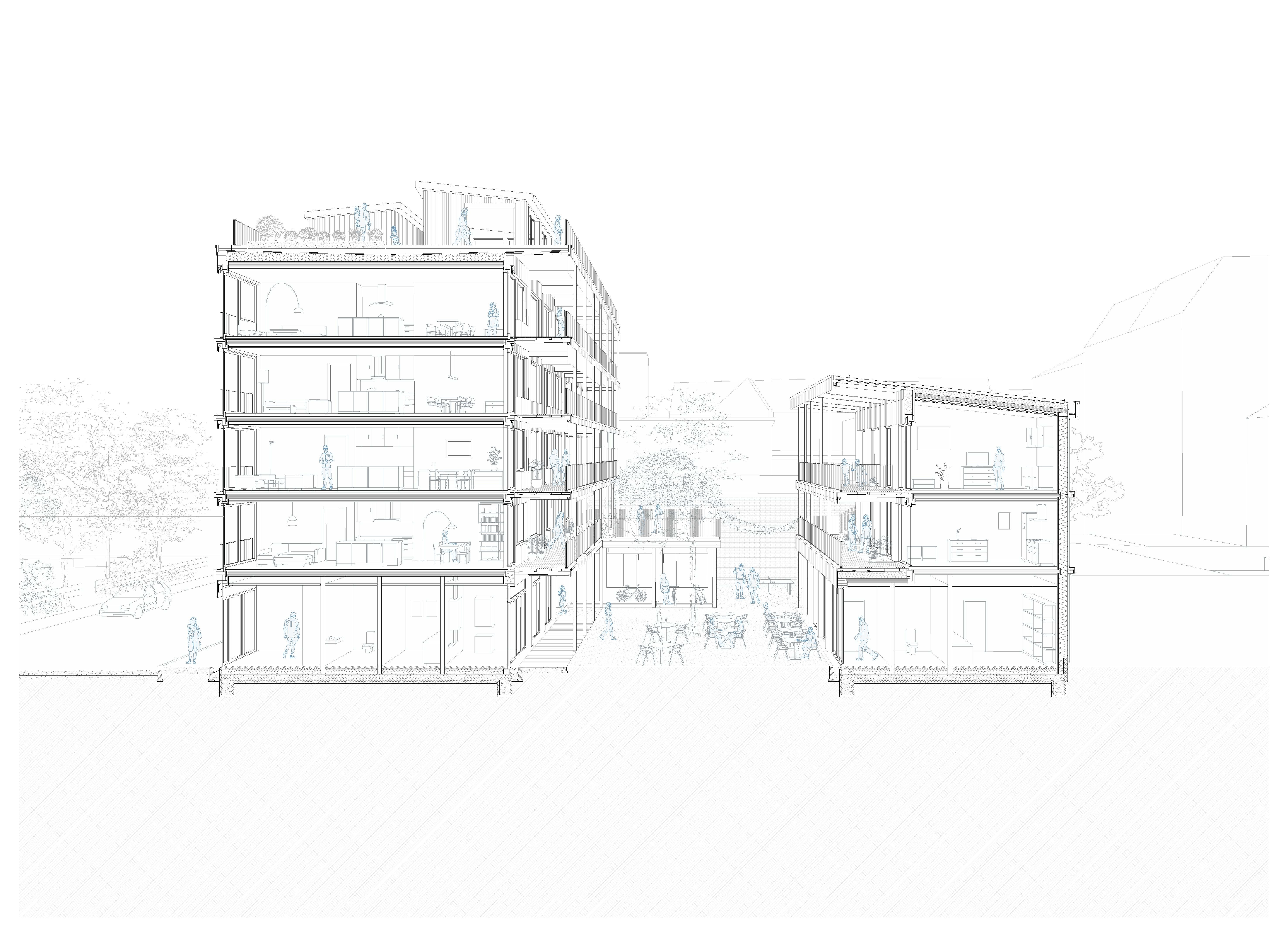
To introduce the topic of ownership models within this topic I have started to define relevant key terms such as “coliving” and “cohousing”. I have found an overview of the various legal forms of coliving, illustrating how various countries, including Sweden, Germany and seven other european countries approach coliving legally, depending on national regulations. Another aspect, I have explored is the historical development of cohousing in the western context, tracing it’s evolution from the tense housing market beginning with the industrialisation, the countercultural movements of the 1960s to its contemporary adaptations in response to societal shifts.
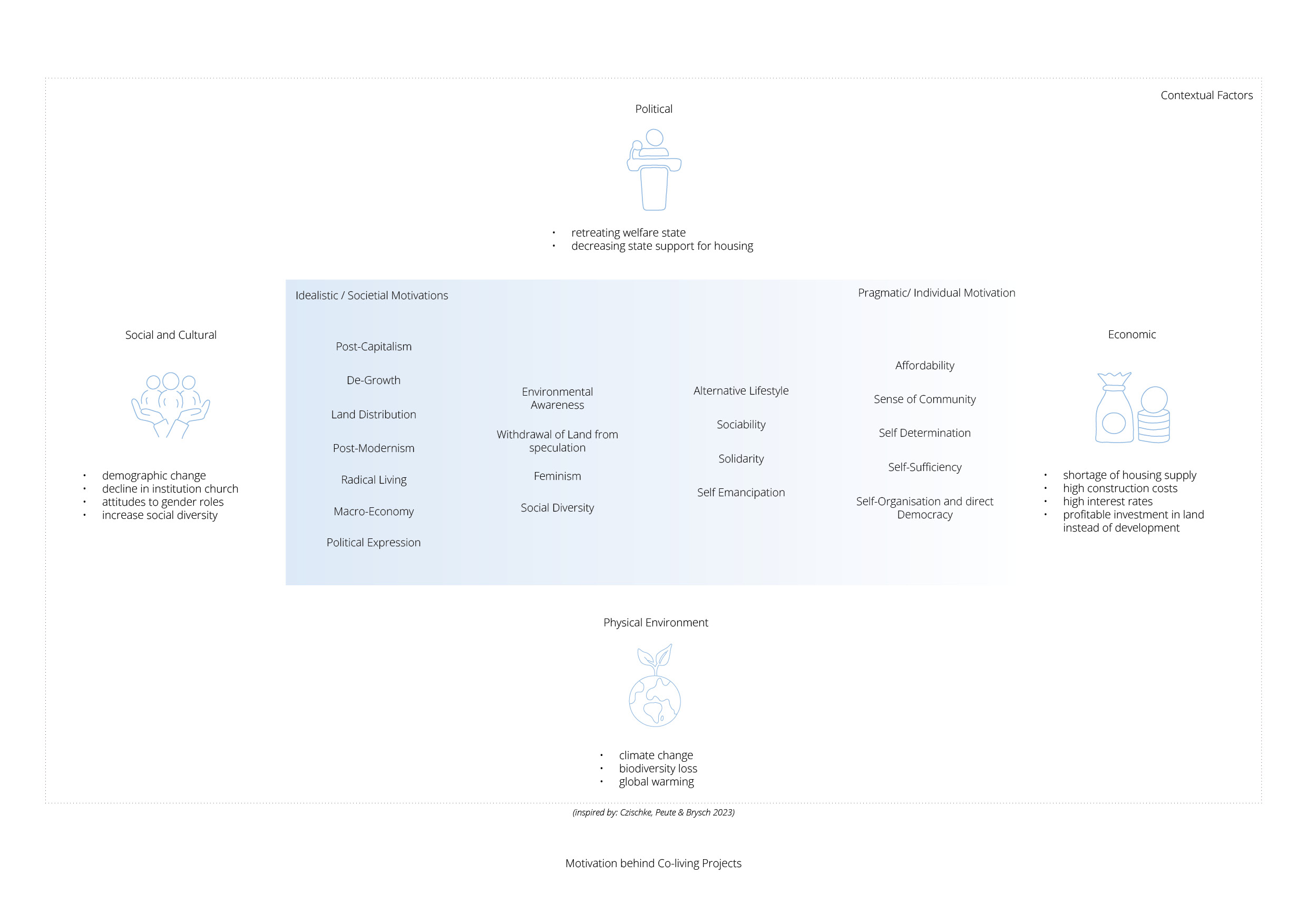
A key focus of my research has been to understand the motivations of residents in collaborative housing projects, because I see that as a fundamental factor determining which legal form, which organisational form and which architectural form is reasonable for the project. I have examined and categorised the various factors driving individuals and families to seek out these living arrangements, including a desire for community engagement, cost-sharing, sustainability and a self-determined way of living for lifestyles out of the norm. Since my following architectural proposal will be in Germany, I have investigated the national legal frameworks for cohousing. This analysis provides insight into which and how these legal arrangements are successfully withdrawing living space form the speculative market and instead ensuring the permanent focus on housing for the common good.
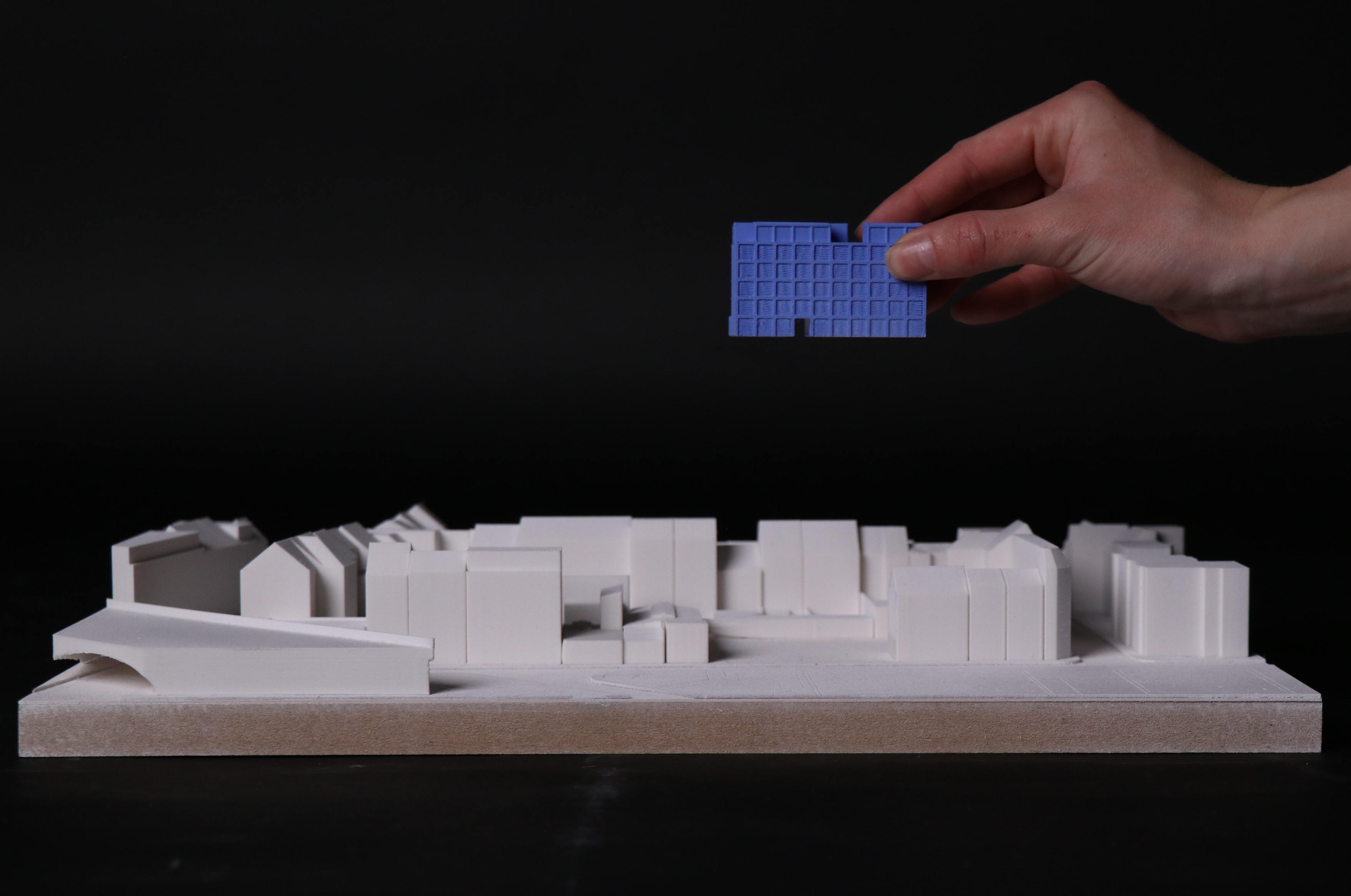
The research, in combination with the design proposal, aims to raise awareness of the multifaceted benefits of collaborative living, both on an individual and societal level. As previously stated, this approach is norm-creative, offering self-determined and socially diverse housing solutions for residents who exist outside the conventional housing norms. Furthermore, it adopts a power-critical stance by critiquing the current housing market, which is often driven by speculative investment, rather than focusing on development models that prioritize the common good. This research will also prepare me for my future role as an architect, equipping me with the knowledge and skills to effectively consult and assist collaborative housing projects. By relying on the insights gained from my research, I will be able to offer informed guidance to these projects, ensuring they are not only well-designed but also aligned with broader social and environmental goals. Finally, I aim to share my findings with my peers and teachers alike in discussions about the benefits and challenges of collaborative housing, thereby contributing to the ongoing dialogue and development of this housing form.
Having explored different forms of collective ownership and collaborative housing projects during her Master’s thesis at KTH’s Fundamentals thesis studio, guided by Leif Brodersen and Carolina Wikström, Carmen has since returned to Germany to practice in Dortmund. Now working on competitions for schools and sports facilities, she is interested in finding the balance between architectural form and its social, economical and ecological necessity, aiming for buildings that find their quality in being thoughtfully functional.